On my first trip to visit Paris, Joey, my boyfriend, whisked me off with the giddiness of a child to his favorite old theater for an Italian treat — Pasolini’s Mamma Roma, showing me a glimpse into his world of velvet seats and dark rooms that had occupied him completely and fully, allowing me to join him in a ritual he did alone, sometimes many times a day. Without influence of algorithims or streaming platforms, he curates films for me on nearly a weekly basis to lift my mood, inspire something aesthetically, mirror my sadness, help me learn French or simply share something I need to see at least once in my life. In a time when we are inundated with moodboards and quick clips online capturing one beautiful scene or one moment of dialogue that goes viral, his genuine desire to quietly share what he loves is an appreciated treasure trove away from a watered down internet.
On an icy winter day while I was living in New York with a broken heart, Joey recommended one of his favorite films, The Panic in Needle Park.
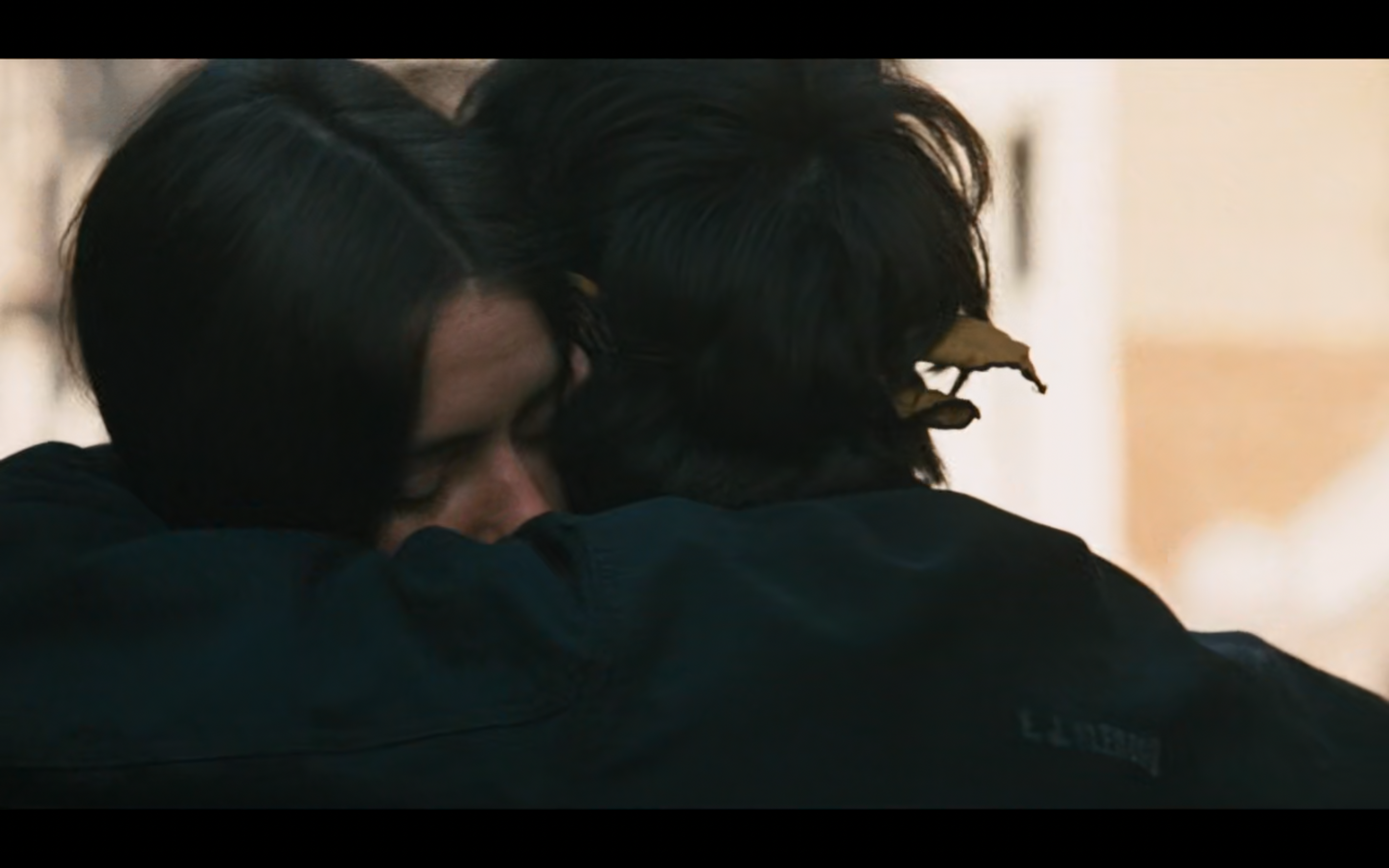
The Panic in Needle Park (1971)
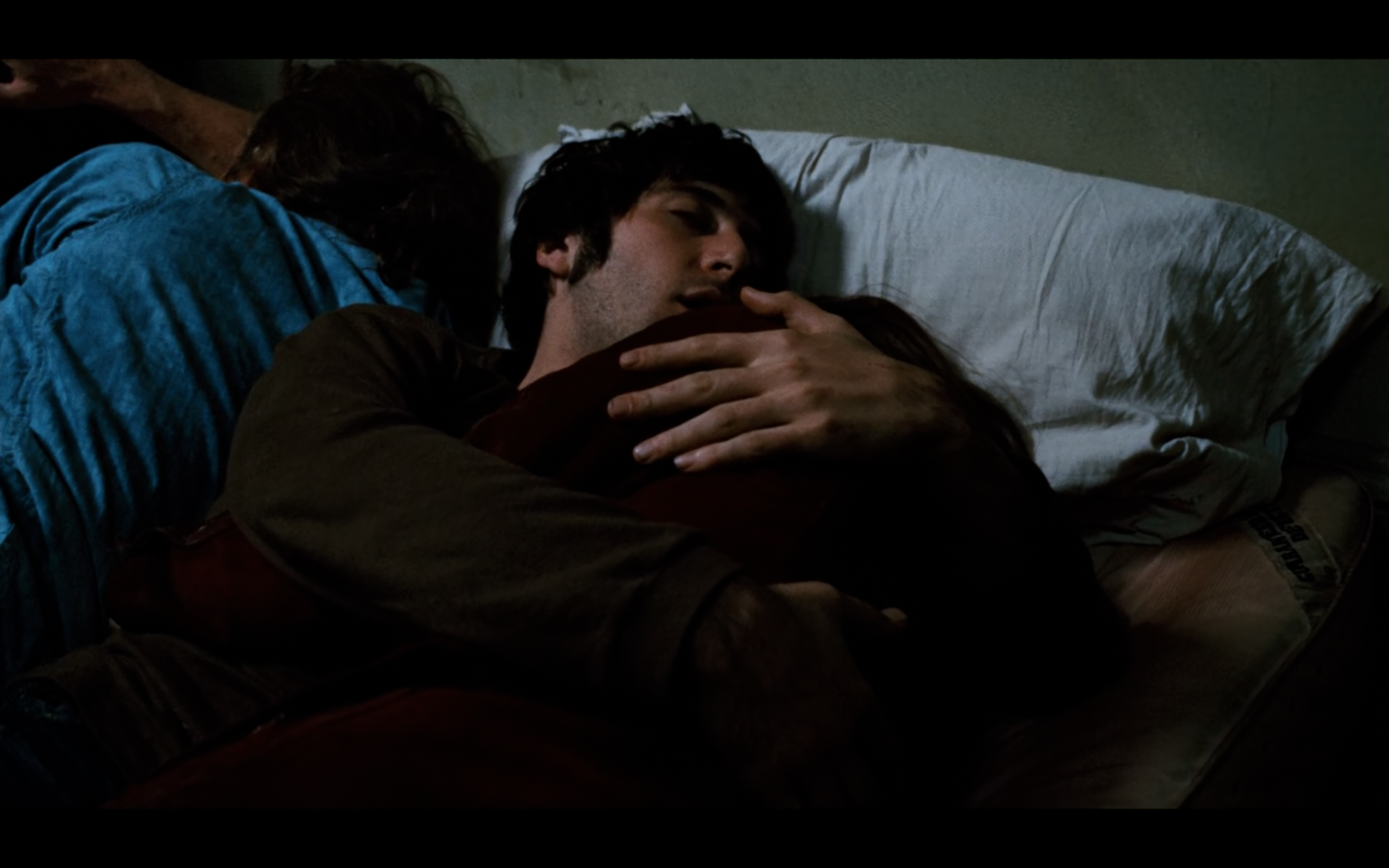
After seeing this film more than ten times, I still come away exhausted by its beauty. And the only memory that stays with me the day after watching it is that damn love story.
Not the addiction, not the drugs. All of that is just a backdrop for an all-consuming love. Simply an addiction to another person battling a drug that never speaks its name.
What matters is love, real love: being with someone you love deeply, through the darkest moments and the brightest, happiest ones.
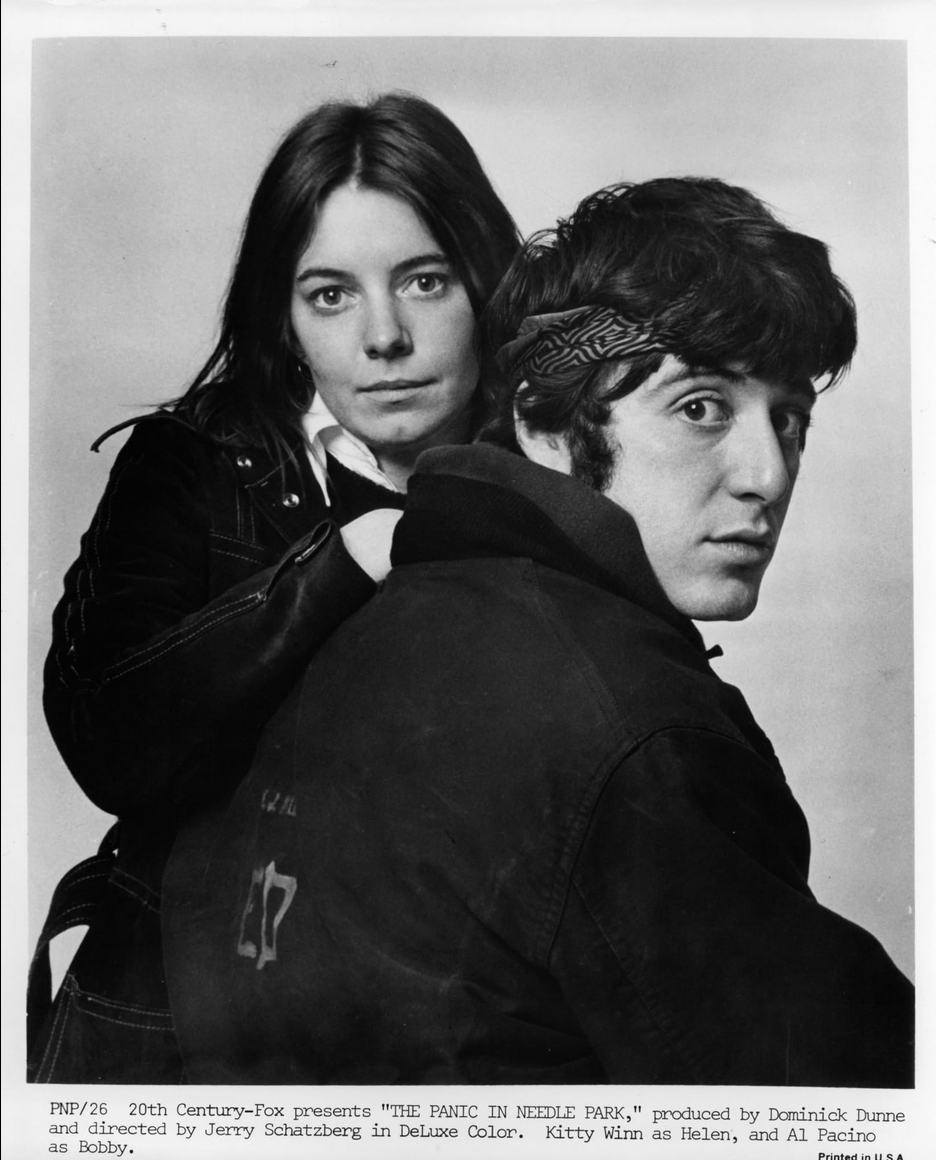
Heroin can be seen as the third point in a toxic love triangle. Never mind the drugs, never mind the overdoses, in the end. The drug here is merely a pretext for an all-consuming passion. The real addiction is to the other person: that is where the needle truly pierces.
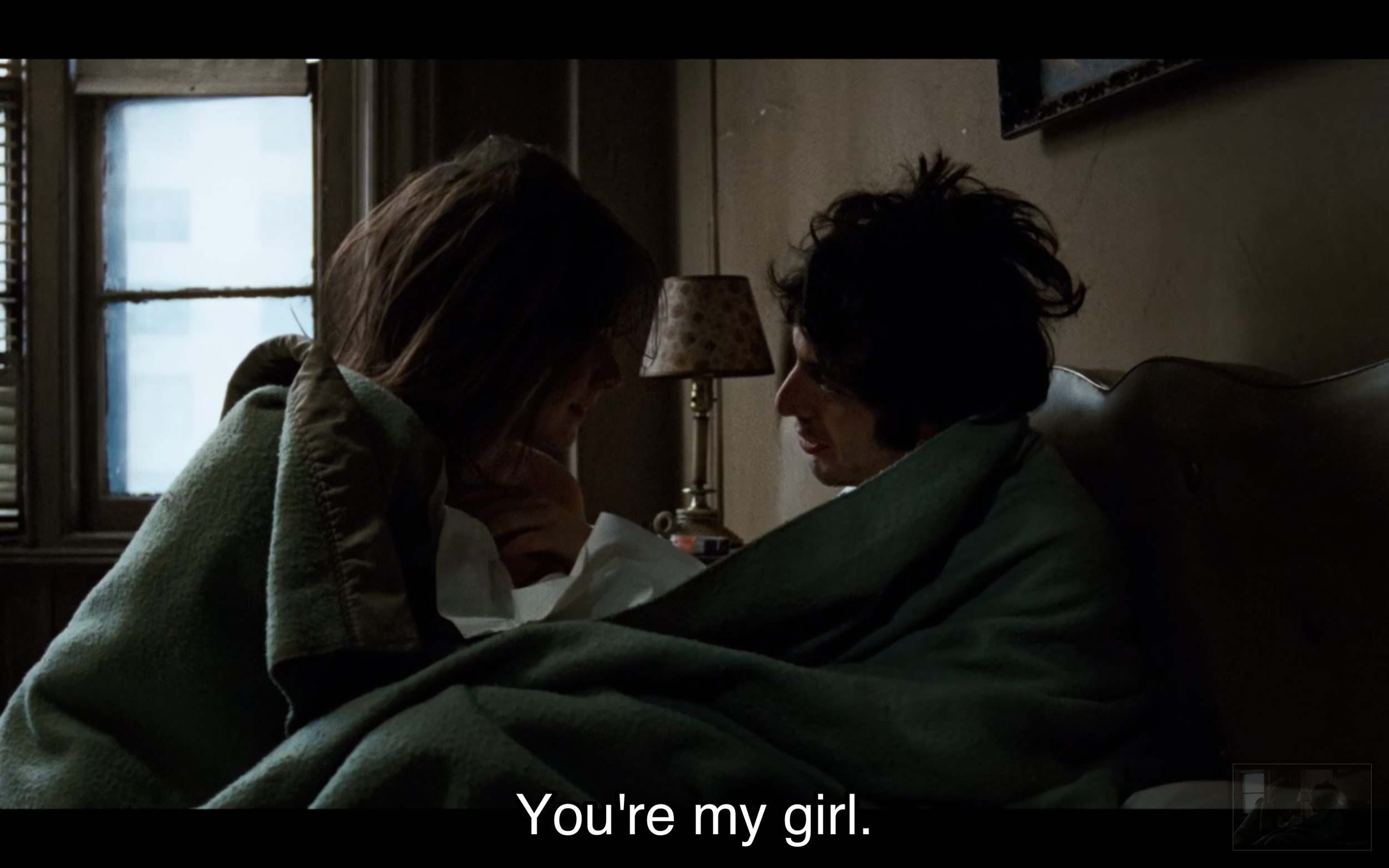
I don’t know whether it’s intentional, softened by time, or simply my Hollywood filter making me see things in such a tender, romantic light.
But as I grow older, it’s as though this film has become a timeless touchstone for me, making the unacceptable acceptable despite its deeply tragic subject matter.
The film moves us according to our own experience, our own lives. An addict will see the compulsive need to find drugs at any cost; a child will see irresponsible adults out of control; a man madly in love, like me, will see the heartbreak and beauty that love can bring.
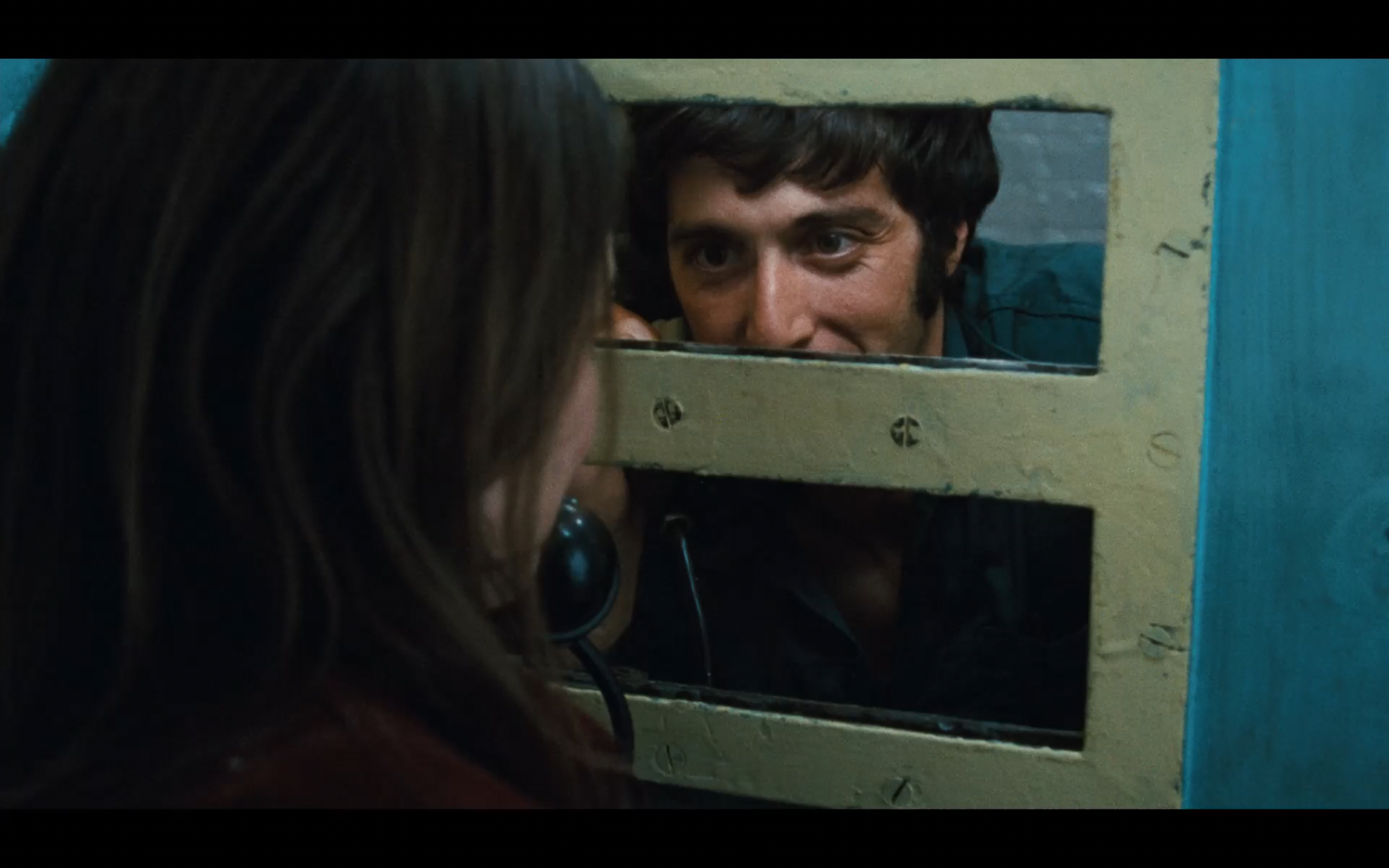
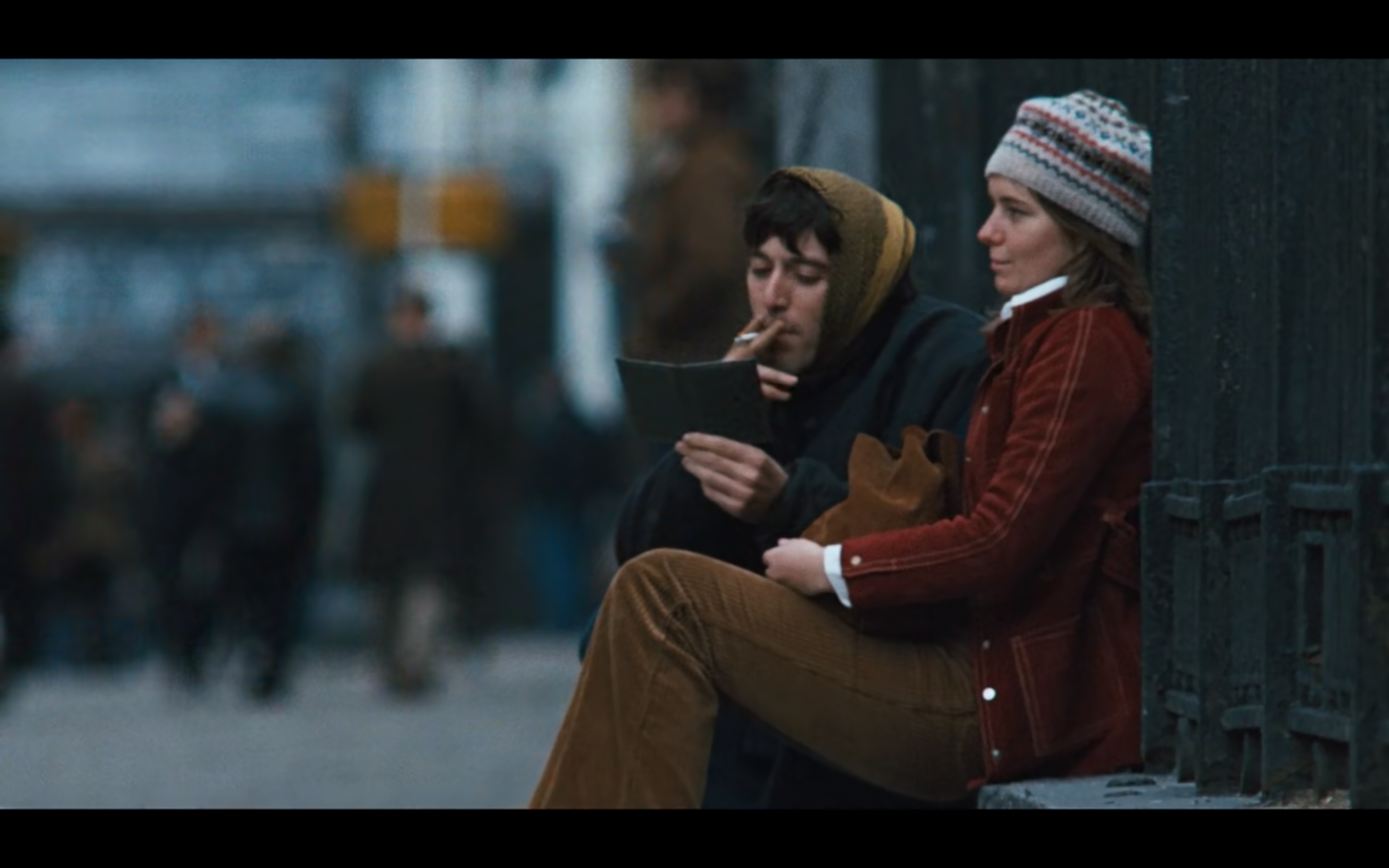
Pacino (Bobby) blazes with sadness and optimism in a flawless performance, brimming with charm, funny and tragic, frightening and comforting. Human, all too human. He takes the film by the arm and captures for us what little light it has to offer.
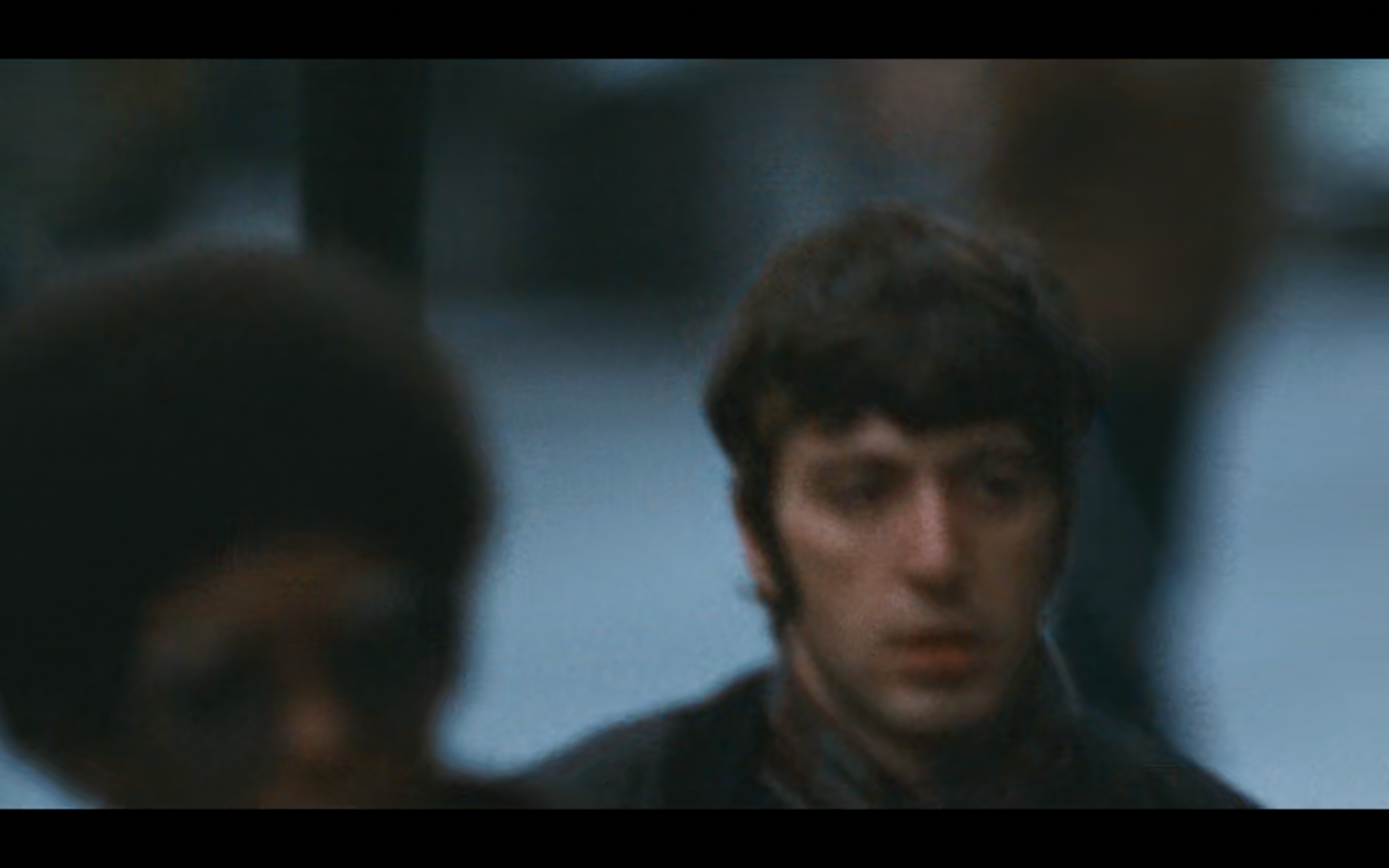
Kitty Winn (Helen) gives a restrained, almost transparent performance so characteristic of the 1970s, yet one that counterbalances Al’s commanding presence in the film. Two performances that respond perfectly to one another, giving the film a magical balance.
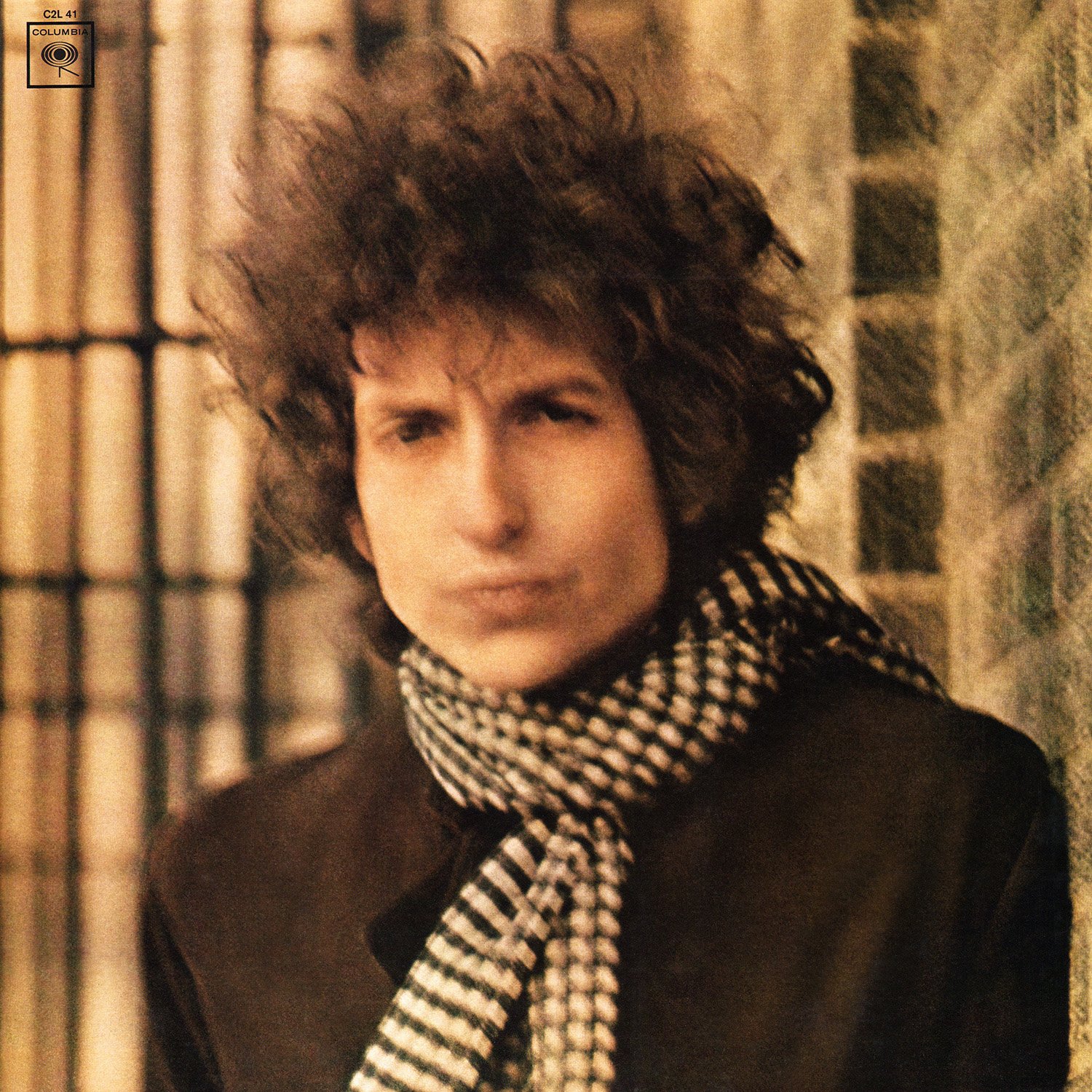
The film is masterfully directed by Jerry Schatzberg, a successful fashion photographer in the 1960s—he took the photograph on the cover of Bob Dylan’s Blonde on Blonde—who turned to filmmaking in the 1970s, much to our benefit.
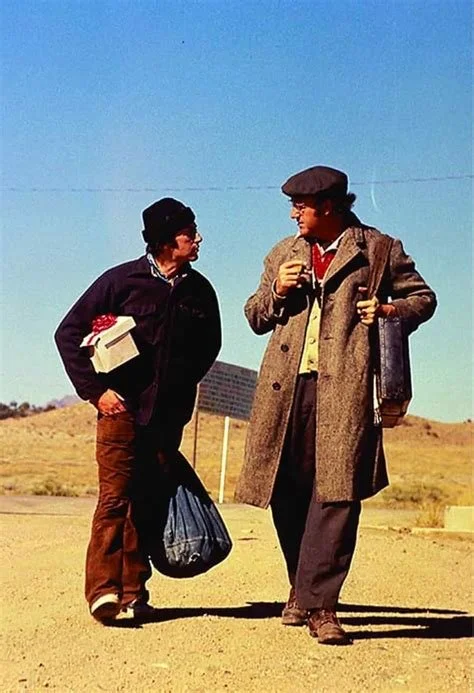
I’ve only seen his two most iconic films: The Panic in Needle Park and Scarecrow, which won the Palme d’Or in 1973, a road movie starring, once again, Al Pacino, alongside Gene Hackman. To me, they are two towering works in my personal film collection.
The screenplay was written by Joan Didion and her husband, John Gregory Dunne, who would describe the project as “Romeo and Juliet on junk.” A paperback copy of James Mills’s novel The Panic in Needle Park caught Didion’s eye. She recognised Mills’s name as a journalist for the celebrated magazine Life, bought the book, and thought it would make a good film. And what a film!
In a 2009 interview, Joan Didion was asked: “When you read The Panic in Needle Park in the summer of 1967, what interested you about the prospect of adapting it for the screen?”
“The love story. Simply that. That was enough.”
Stripped to the bone and without a musical score, it is almost a silent film with dialogue. It is a bold, courageous choice that pays off, allowing street sounds and silences to occupy an uncomfortable space. No orchestral swell comes to grant the characters the tragic grandeur they might hope for. The music does not dictate the emotions, nor do the emotions dictate the music; they remain pure, creating a melody of silence and leaving the viewer to unconsciously lay sounds over a film of their own.
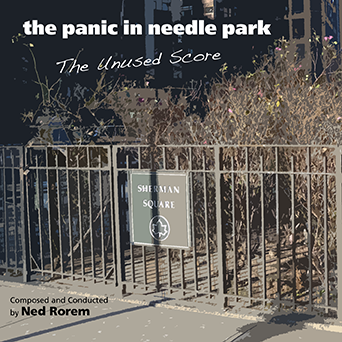
Yet, digging a little into the murky depths of an all-too-human process, we discover a “secret” score, composed by Ned Rorem, completed and ready to be used in the film. But at the final stage of editing, Jerry Schatzberg, with an avant-garde instinct, decided to discard it and use no music at all. Rightly so.
The film’s secret score was released as a limited edition of 1,000 CDs, and you can listen to a few excerpts here:
https://www.kritzerland.com/panic_needle.htm
The soundtrack to this imaginary film of mine, meanwhile, could have been composed by the Velvet Underground or Leonard Cohen. But there is none of that here: silence reigns supreme, and perhaps it is better that way.
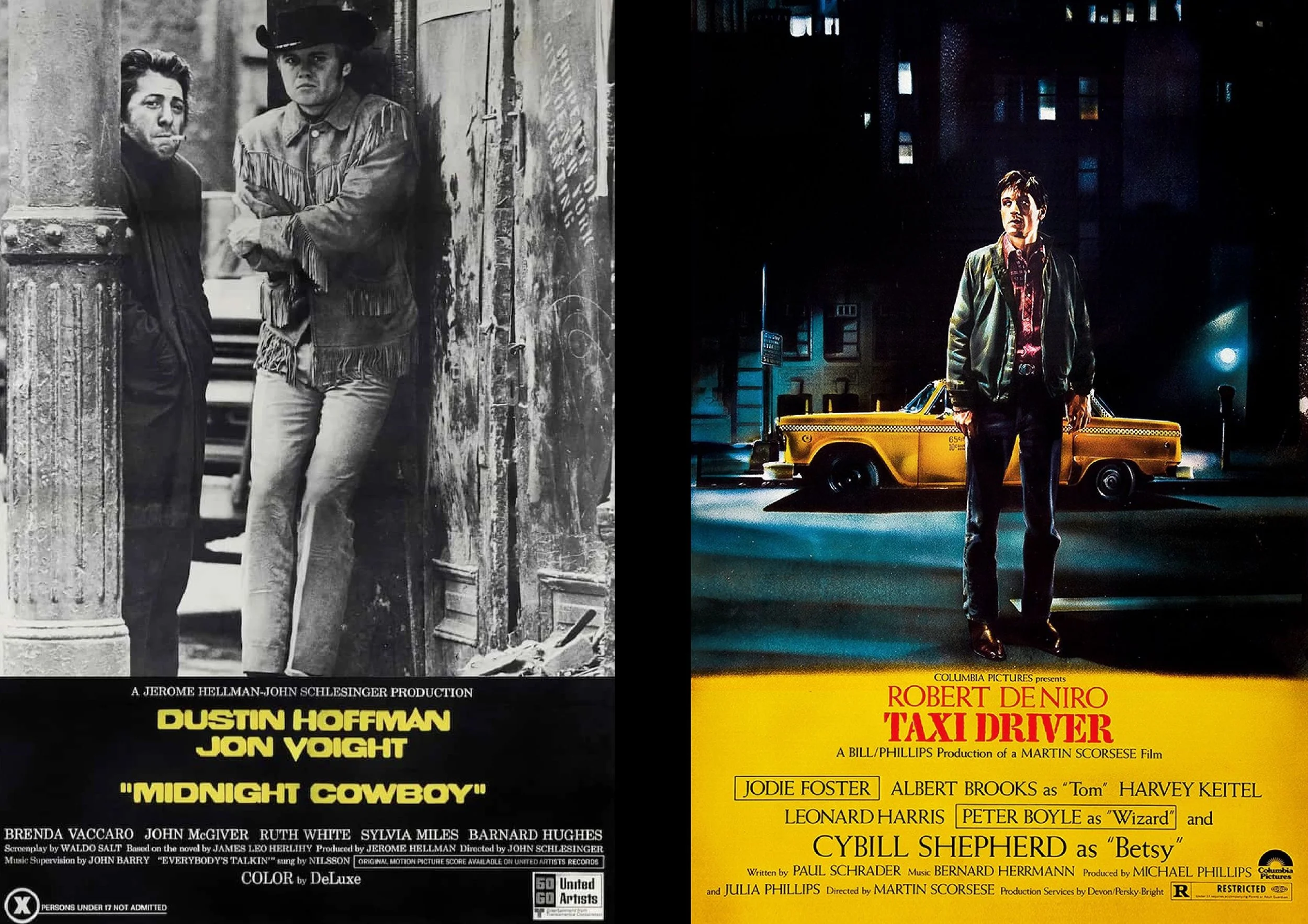
The style, the language, the sounds immerse us in a New York like that of Taxi Driver (1976) or Midnight Cowboy (1969), a city we can barely believe existed when we look at it now. A journey through time, and that is precisely why cinema still almost always remains the ultimate art form: a photograph in motion, with sound.
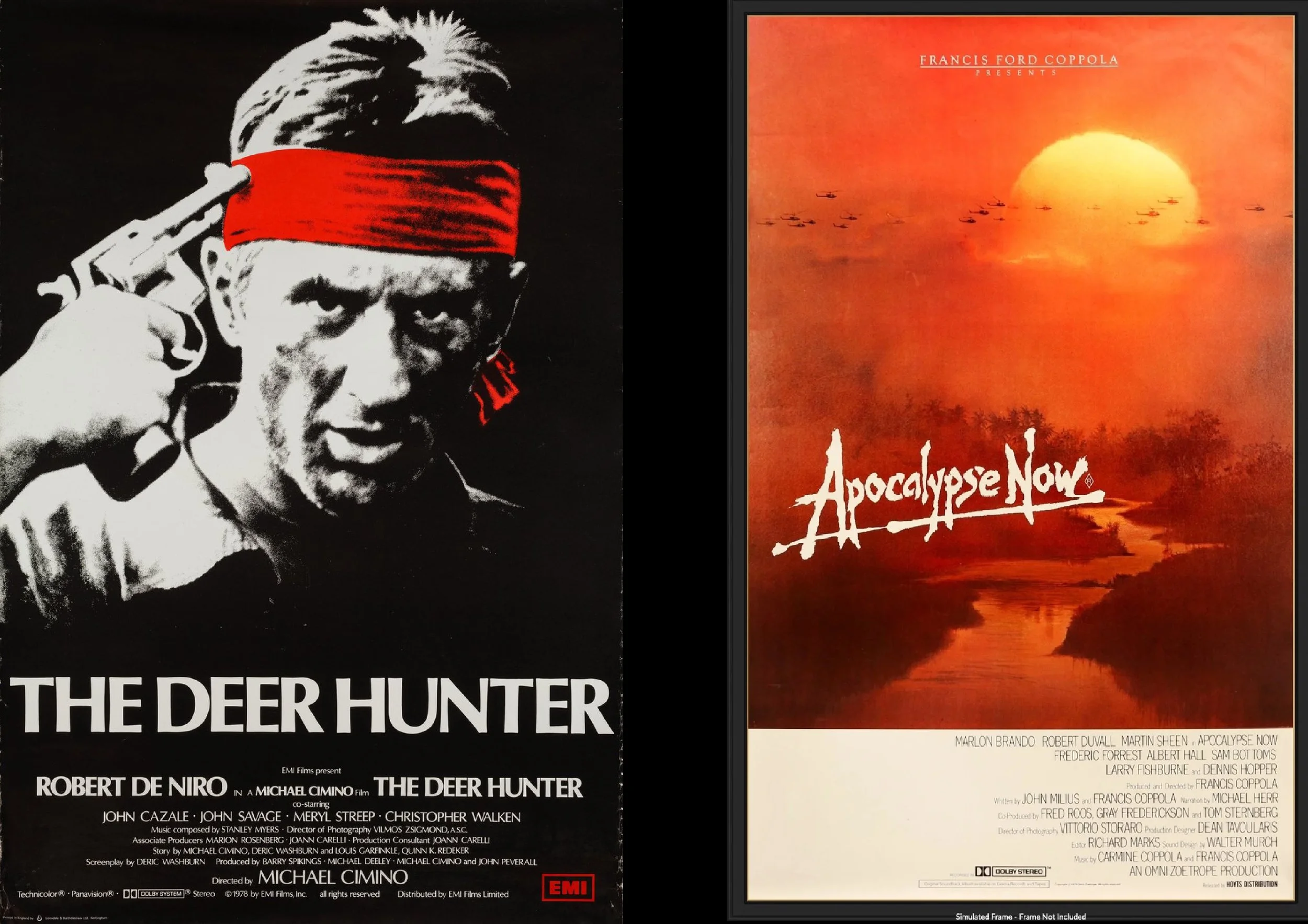
“There’s life before this film, and life after it,” my father used to say about Apocalypse Now (1979) and The Deer Hunter (1978), both of which I went on to discover. He was right, and I feel exactly the same way about this film, which I discovered in my early twenties and which has been a cornerstone of my taste in cinema ever since.
Once you have watched it, you feel more emotionally intelligent, enriched by a spectacle and an emotion that is mature and profound, giving us—and this is the irony of the story—so much, so much hope.
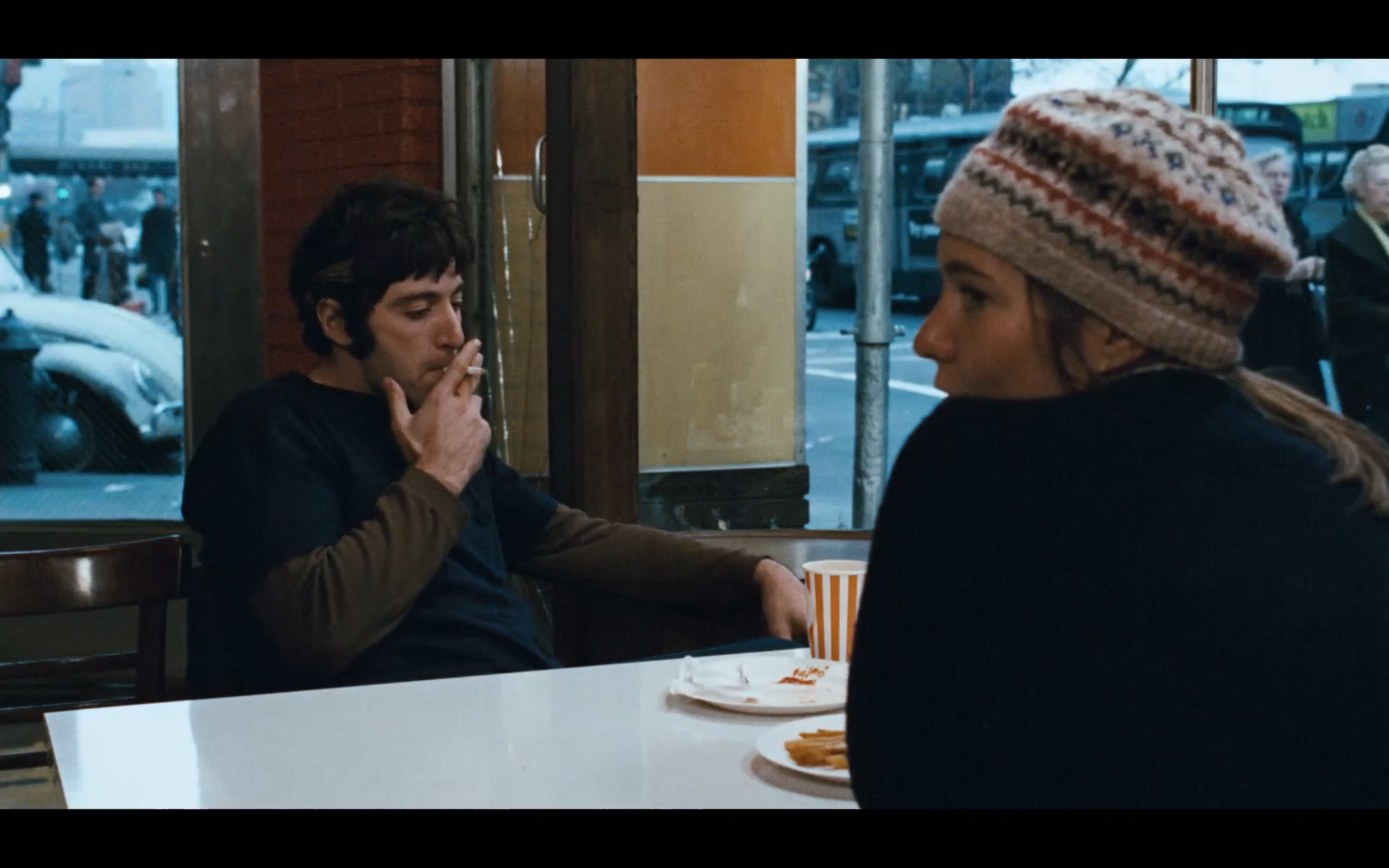
Anyway, I don’t warmly recommend this film; I order you, with the utmost politeness: watch it, it will change your life. A must-see for me. The passions this film evokes are rare, and there is an energy, and definitely the aura of a masterpiece, hovering over this addictive romance.
Joey
Original en Francais
Après avoir vu ce film plus d’une dizaine de fois, j’en sors toujours éreinté de beauté. Et le seul souvenir qui me reste le lendemain du visionnage est cette fichue histoire d’amour.
Pas l’addiction, pas la drogue. Tout ça est juste un cadre pour dévoiler un amour dévorant. Simplement une addiction à l’autre qui bataille avec une drogue qui ne dit pas son nom.
Ce qui compte, c’est l’amour, le vrai : être avec quelqu’un qu’on aime profondément, dans les moments les plus sombres comme dans les plus lumineux et les plus heureux.
L’héroïne peut être vue comme le pilier d’un triangle amoureux toxique. Qu’importe la drogue, qu’importent les overdoses, au final. La drogue ici n’est qu’un prétexte à une passion dévorante. La vraie addiction ici est à l’autre : là réside la vraie piqûre.
Je ne sais pas si c’est intentionnel, poli par le temps, ou si c’est juste mon filtre hollywoodien qui me fait voir les choses d’une manière si douce et romantique.
Mais c’est comme si ce film devenait pour moi, avec l’âge, une référence qui traverse le temps et rend acceptable l’inacceptable, malgré un sujet si dramatique.
Le film nous touche selon notre expérience et notre vécu. Un accro y verra le besoin compulsif de trouver de la drogue à tout prix, un enfant y verra des adultes irresponsables et hors de contrôle, un homme fou amoureux comme moi y verra le déchirement et la beauté que l’amour peut engendrer.
Pacino (Bobby) est flamboyant de tristesse et d’optimisme dans une composition parfaite, bourrée de charme, drôle et tragique, affrayante et réconfortante. Humain, trop humain. Il prend le film par le bras et capture pour nous le peu de lumière qu’il a à donner. Une étoile est née.
Kitty Winn (Helen) livre une prestation des années 1970 toute en retenue, presque transparente, mais qui contrebalance la place qu’Al prend dans le film. Deux prestations qui se répondent parfaitement et donnent au film un équilibre magique.
Le film est réalisé d’une main de maître par Jerry Schatzberg, photographe de mode à succès dans les années 1960 — il a signé la photographie de la couverture de l’album de Bob Dylan Blonde on Blonde — et reconverti en cinéaste pour le meilleur dans les années 1970.
Je n’ai vu que ses deux films les plus emblématiques : The Panic in Needle Park et Scarecrow, qui a remporté la Palme d’or en 1973, un road movie avec, encore une fois, Al Pacino, et Gene Hackman. Pour moi, ce sont deux monuments de ma filmothèque personnelle.
Le scénario est signé par Joan Didion et son mari John Gregory Dunne, qui présenteront le projet comme un « Roméo et Juliette sous héroïne ». Un exemplaire de poche du roman de James Mills, The Panic in Needle Park, a attiré l’attention de Didion. Elle a reconnu le nom de Mills, journaliste pour le célèbre magazine Life, acheté le livre et pensé qu’il ferait un bon film. Et quel film !
Dans une interview de 2009, Joan Didion répond à la question : « Quand vous avez lu The Panic in Needle Park, à l’été 1967, qu’est-ce qui vous a intéressée dans la perspective d’une adaptation au cinéma ? »
« L’histoire d’amour. Tout simplement. Ça a suffi. »
À l’os et dénué de BO, c’est presque un film muet parlant. C’est un parti pris fort, courageux et réussi, car on laisse les bruits de la rue et les silences occuper une place inconfortable. Aucun élan orchestral ne vient donner aux personnages la grandeur tragique qu’ils pourraient espérer. La musique ne dicte pas les émotions, ni l’inverse ; les émotions sont pures, créent une mélodie du silence et laissent le spectateur coller inconsciemment les sons sur son propre film.
Néanmoins, en se renseignant un peu dans les bas-fonds d’un processus trop humain, on découvre une bande originale « secrète », composée par Ned Rorem, achevée et prête à être utilisée pour le film. Mais Jerry Schatzberg, au dernier moment du montage et avec un flair avant-gardiste, décida de ne pas l’utiliser et de ne mettre aucune musique du tout. À raison.
La BO secrète du film a été éditée à 1 000 exemplaires sur CD, et quelques extraits sont écoutables ici :
https://www.kritzerland.com/panic_needle.htm
La BO de ce film imaginaire quand a elle aurait pu être composée par le Velvet Underground ou Leonard Cohen, mais rien de tout ça ici : les silences règnent en maîtres, et c’est peut-être mieux comme ça.
Le style, le langage, les sons nous permettent une plongée, à l’instar de Taxi Driver (1976) ou de Midnight Cowboy (1969), dans un New York dont on arrive à peine à croire, maintenant, qu’il a existé. Un voyage dans le temps, et c’est exactement pour ça que le cinéma règne presque toujours en maître aujourd’hui comme la forme ultime de l’art : une photo en mouvement avec du son.
« Il y a un avant et un après ce film dans la vie », disait mon père à propos d’Apocalypse Now (1979) et de Voyage au bout de l’enfer (1978), que j’ai découverts. Il avait raison, et je le rejoins entièrement pour ce film, découvert au début de ma vingtaine et pilier de mes goûts cinématographiques depuis.
Une fois le film visionné, on se sent plus intelligent émotionnellement, grandi par un spectacle et une émotion mature, profonde, qui nous donne — et c’est l’ironie de l’histoire — beaucoup, beaucoup d’espoir.
Bref, je ne recommande pas ce film chaudement, je vous l’ordonne avec la plus grande politesse : regardez-le, il vous changera la vie. Un incontournable pour ma part. Les passions dégagées par ce film sont rares, et il y a une énergie et, assurément, une aura de chef-d’œuvre qui planent au-dessus de cette romance addictive.
Joey